Comfy Desktop makes ComfyUI easier for commercial AI builders - Startup Fortune
Comfy Org is turning one of AI image generation's most flexible open-source tools into something far easier to install, manage and use at work. ComfyUI has always had a powerful pitch: build visual AI workflows exactly the way you want them, node by node, model by model, without waiting for a closed platform to decide what matters.
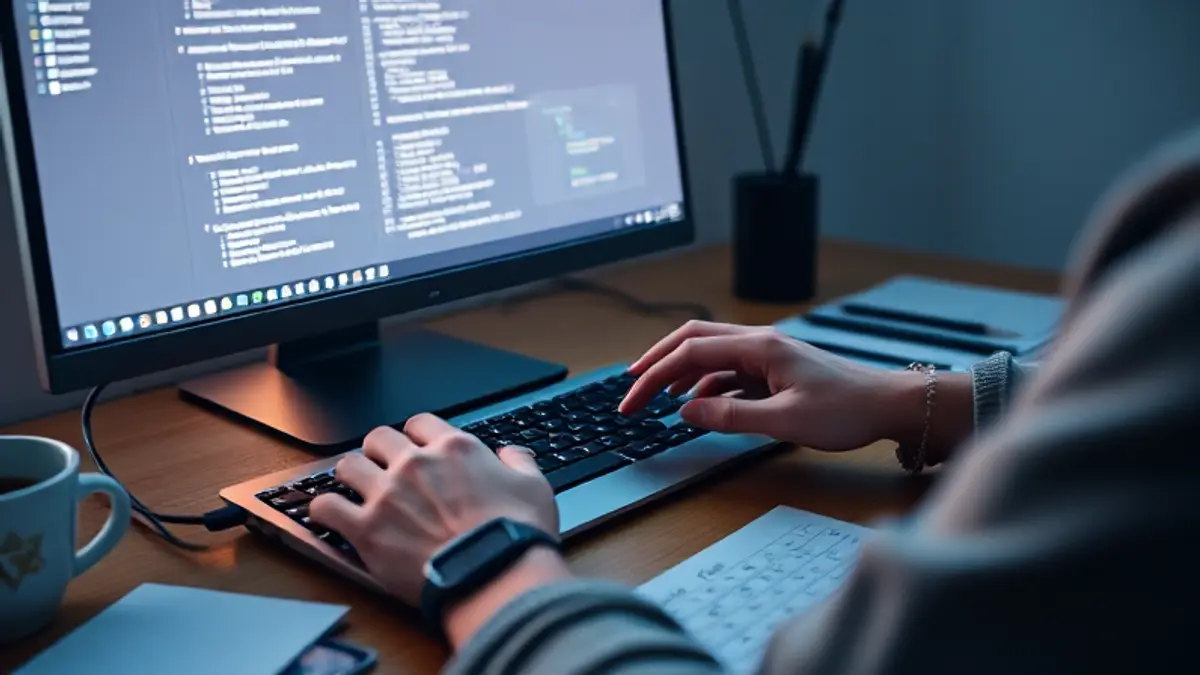
Comfy Org is turning one of AI image generation's most flexible open-source tools into something far easier to install, manage and use at work.
ComfyUI has always had a powerful pitch: build visual AI workflows exactly the way you want them, node by node, model by model, without waiting for a closed platform to decide what matters. The catch was just as obvious. For many creative teams, the first real barrier was not the workflow graph. It was getting the thing running cleanly in the first place.
That is what Comfy Desktop is meant to change. Comfy Org announced a new version of the desktop app on Friday, June 5, with a gradual rollout that is expected to reach all users by Monday, June 8. Existing users of the older ComfyUI Desktop should see an in-app update prompt as their installation picks it up, while users who do not want to wait can download the new version directly.
The practical shift is bigger than a cleaner installer. According to the announcement shared by Comfy Org, Desktop is now built as one app for managing every Comfy setup, including local, remote, portable and cloud instances. It also no longer treats the app itself as the ComfyUI install. Instead, it uses git under the hood, so users can update ComfyUI when a release or nightly build is tagged, without waiting for a separate desktop application release.
For developers, Python environments, dependencies and local servers are part of the normal cost of using open-source software. For designers, studios and enterprise creative teams, that same setup can become the reason a tool never makes it beyond the enthusiast desk. ComfyUI's official documentation already describes Desktop as a standalone installation that can automatically configure Python dependencies and import existing settings, models, workflows and files. The new release pushes that idea further by making the desktop layer a manager for multiple working environments.
Meituan puts avatar video startups under new pressure
Meituan has released LongCat-Video-Avatar 1.5 as an open avatar video model with local deployment potential. The release increases pressure on synthetic media startups whose value depends mainly on avatar generation rather than workflow, trust, and enterprise controls. - how to run avatar video locally with AI - Meituan LongCat Video Avatar synthetic video threat
That matters because ComfyUI is not a lightweight toy. Its strength is the node-based system that lets users build complex generation pipelines around diffusion models, custom nodes, video tools, image editing steps and multimodal workflows. The same flexibility that makes it popular with advanced builders also makes it easier to break. A custom node update can clash with a workflow. A model setup can work beautifully in one project and create problems in another.
Comfy Desktop's answer is to let users keep different instances for different jobs and flip between them. That sounds mundane until you think about how creative AI work actually happens inside a business. A studio might want one stable environment for client production, another for testing new models and a third tied to remote compute. If all of that can be handled from one app, ComfyUI starts to look less like a project folder maintained by a technical specialist and more like working infrastructure.
The automatic snapshot feature points in the same direction. Comfy Org says the app can take snapshots before updates, after custom node changes and on boot, then allow rollback when something breaks. Anyone who has worked with fast-moving open-source AI tools knows why this matters. The most painful failures are not always caused by the model. They are caused by a small dependency change that turns yesterday's reliable workflow into a debugging session.
Managed API platforms still have a strong advantage. They are cleaner to deploy, easier to bill and simpler for teams that only need an output, not a deep workflow environment. Run a prompt, get an image, move on. That model works well for many companies, especially where reliability matters more than control.
ComfyUI is different. It appeals to builders who want control over the pipeline itself: which model runs, how nodes connect, where outputs move, what gets reused and how experimental workflows become repeatable production systems. A better desktop experience does not erase the need for managed services, but it changes the boundary between local open-source tooling and commercial platforms. If setup and maintenance get easier, more teams can justify keeping advanced workflow design close to their own machines or private infrastructure.
This also connects to ComfyUI's broader product direction. In March, the organization announced App Mode, App Builder and ComfyHub, a system aimed at turning workflows into usable applications for people who do not need to understand the node graph. Desktop handles another part of the same problem. One makes workflows easier to consume. The other makes the underlying environment easier to operate.
That combination is important for entrepreneurs building around AI creative infrastructure. A tool does not become commercially useful just because it is powerful. It becomes useful when a team can install it, manage it, recover from mistakes and hand it to people who are not spending their day inside terminal windows. Comfy Desktop is a signal that open-source AI tooling is moving through that productization phase now.
LTX Director turns AI video into an editable indie workflow.
LTX Director brings timeline editing, Prompt Relay, custom audio and frame-based control into a ComfyUI workflow for LTX 2.3. The bigger story is how indie tools are turning open-source AI video into production infrastructure. - how to edit AI generated video content - open source AI video tools for indie creators
There is still friction ahead. Local AI workflows need hardware, storage, model management and security discipline. Enterprise buyers will ask hard questions about governance, updates and support. But this release makes the direction clear. The next competitive fight in AI creative tools will not only be about who has the best model. It will be about who makes powerful workflows usable enough for real teams to adopt without turning every project into an engineering chore.
Also read: Anthropic’s Mythos puts AI engineering economics under pressure Bots now outnumber humans online and startups have to adapt Nvidia pushes deeper into AI models with Nemotron 3 Ultra
This article is posted in Technology News , check it out for more related stories.
Almost there. Sign in and your reply posts straight away.
ComfyUI desktop application for creative teams workflow management
how to set up ComfyUI for commercial projects
Walter Schulze brings all the breaking news stories in the tech and startup world and to ensure that Startup Fortune offers a timely reporting on the trends happen in the industry. He now works on a part time basis for Startup Fortune specializing in covering tech and startup news and he also sheds light on investment opportunities and trends.
Oracle s Wisconsin AI data center hits a Wisconsin power line roadblock
Sources
Related stories

OpenAI Introduces Visual Ads for ChatGPT
OpenAI is launching a new ad format for ChatGPT, featuring images of sponsored products and services.

Unlocking Data Portability: Preventing Catalog Lock-in with REGISTER and UNREGISTER APIs
Unlocking Data Portability: Preventing Catalog Lock-in with REGISTER and UNREGISTER APIs | Databricks Blog Skip to main content REGISTER and UNREGISTER provide a standard method to safely transfer a table's catalog management without copying data. Open table formats are now easily transferable between catalogs when stored in customer-owned buckets.
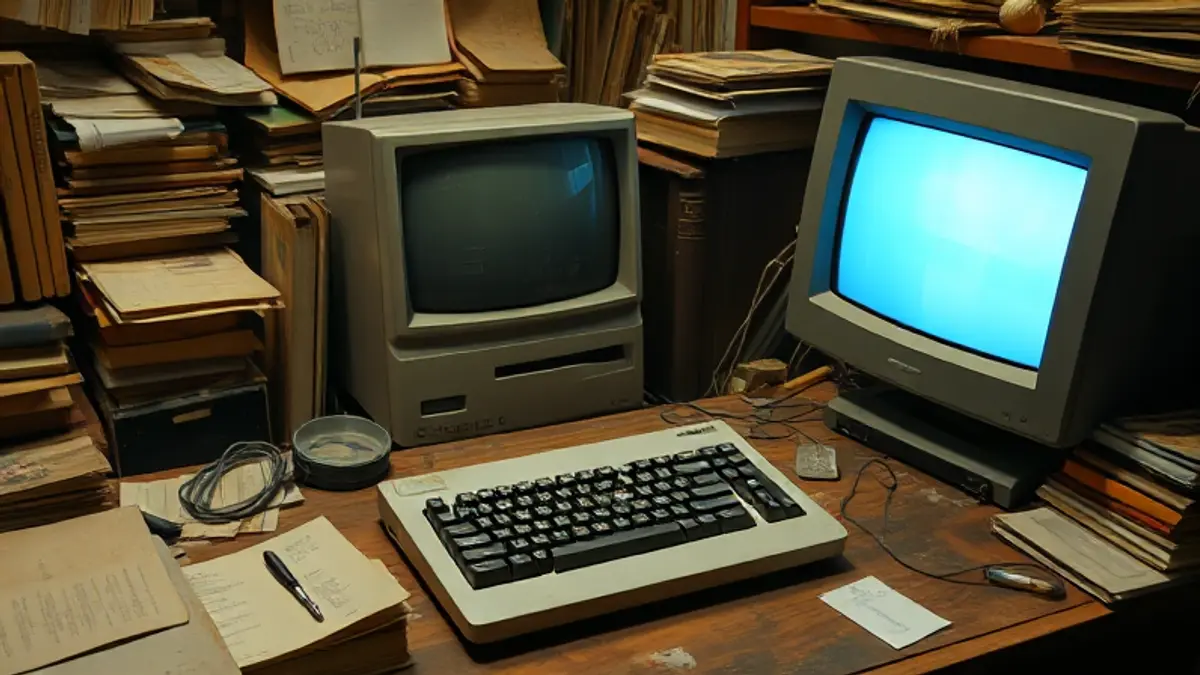
Spies, prime ministers, and balls: The BBC Domesday project @ 40
Decades before the modern web, the BBC Domesday Project dared to archive an entire nation using….

Splice CEO Kakul Srivastava thinks AI emails are killing conversations
Kakul Srivastava is the CEO of Splice, the sample platform countless producers rely on for one-shots and melodic loops.