FlashML Runs MiniMax H3 Video AI on 8 GB Consumer GPUs
Takeaways − FlashML-org released FreeVideo , a local inference engine for MiniMax H3 video generation. Runs in 8 GB VRAM and 16 GB RAM via aggressive weight offloading and streaming.
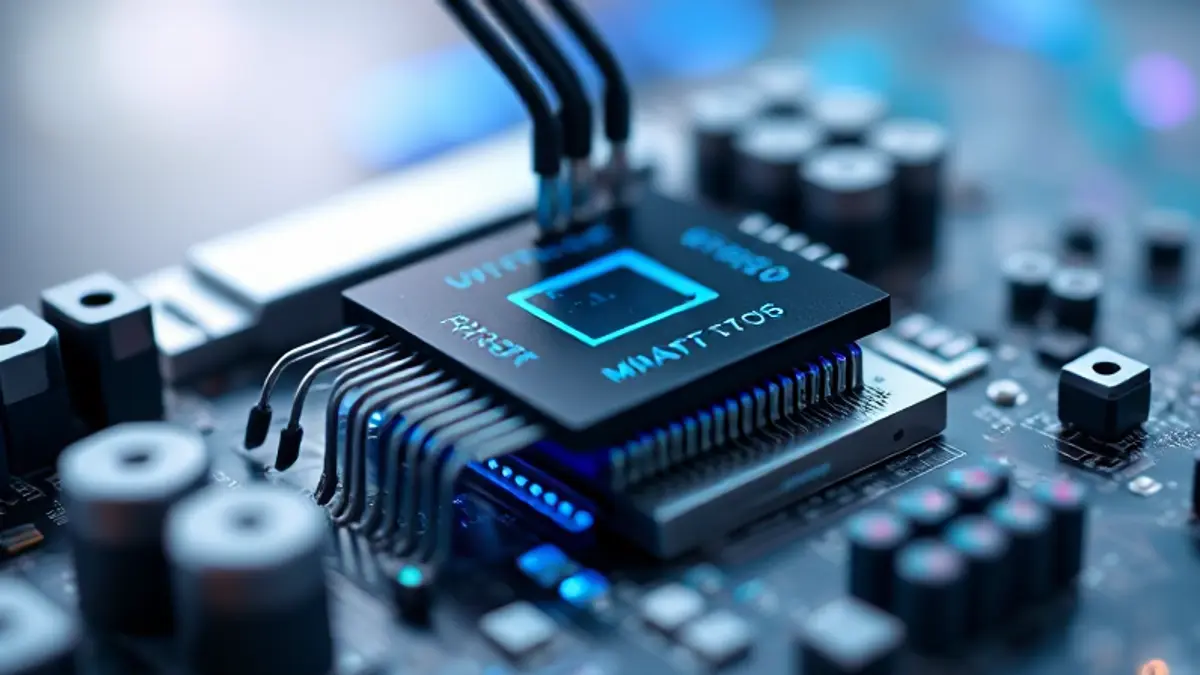
Takeaways − FlashML-org released FreeVideo , a local inference engine for MiniMax H3 video generation.
Runs in 8 GB VRAM and 16 GB RAM via aggressive weight offloading and streaming.
Built on OpenVDN's 8-step VDN-H3 model with Video DeltaNet hybrid attention.
Ships as a ComfyUI plugin with Windows one-click launcher and Linux CLI support.
Supports community LoRAs, two-pass sampling, batch generation, and reusable adapter caches.
Apache 2.0 licensed, 546 GitHub stars, actively patched for low-VRAM edge cases.
FlashML-org has published FreeVideo , an Apache 2.0 local inference engine for running an eight-step derivative of MiniMax H3 on consumer hardware. The project targets systems with 8 GB of VRAM and 16 GB of system RAM by distributing model layers across GPU memory, system memory, and disk.
The lower memory requirement brings heavier disk traffic and longer generation times. Open video models commonly require a 24 GB GPU or a hosted API, while FreeVideo makes the workload accessible to smaller cards through layer offloading, streaming, reduced precision, and adaptive attention kernels.
OpenVDN’s eight-step VDN-H3 checkpoint, based on MiniMax H3
ComfyUI plugin, Windows launcher, and Linux command-line support
About one megapixel at 24 fps, with clips lasting 5 to 15 seconds
Streams offloaded weights from disk, making SSD performance a major factor
MiniMax H3 is an open-weights, general-purpose multimodal video model. It accepts text, images, video, and audio in one context, then generates video and native stereo audio through the same pipeline. Voices, sound effects, and music are produced alongside the visuals rather than added during a separate post-production step.
Tagged image, video, and audio references give the model guidance on characters, style, motion, and sound. MiniMax describes H3 as 2K-capable, while the open VDN-H3 checkpoint used by FreeVideo outputs with a 768-pixel short edge, roughly one megapixel depending on aspect ratio. That distinction matters when comparing hosted H3 results with local FreeVideo output.
Sources
Related stories

Google froze its open source bug bounty program due to a ‘significant rise’ in AI submissions
Google froze its open source bug bounty program due to a significant rise in AI submissions | TechCrunch Last day to exhibit your breakthrough to 10,000+ tech leaders at Disrupt is on Oct 2 . Book Exhibit Table Now.
NASA and IBM's open source lunar model turns 17 years of orbiter data into a foundation for lunar science
NASA and IBM's open source lunar model turns 17 years of orbiter data into a foundation for lunar science View the LinkedIn Profile of Jonathan Kemper The NASA-IBM Lunar Foundation Model makes decades of lunar observation data usable for machine learning. It's especially strong at predicting ice deposits at the poles and detecting craters.

The Agent Said It Was Done. The Database Disagreed.
The Agent Said It Was Done. The Database Disagreed. The Agent Said It Was Done. The Database Disagreed. Microsoft ThinkingBox grades AI agents on the records they leave behind, not the sentences they generate, and then asks whether they can do it twenty times in a row.

Anthropic's super bug-hunting model Mythos is hardcore good at math, as latest vuln under attack shows
The second Anthropic-linked vulnerability known to have been exploited in the wild saw initial activity from an IP address in China targeting vulnerable hosts…