IBM Research Marks 2026 as a Strategic Turning Point
IBM Research highlights 2026 as a critical year for maintaining and expanding technological advantages.
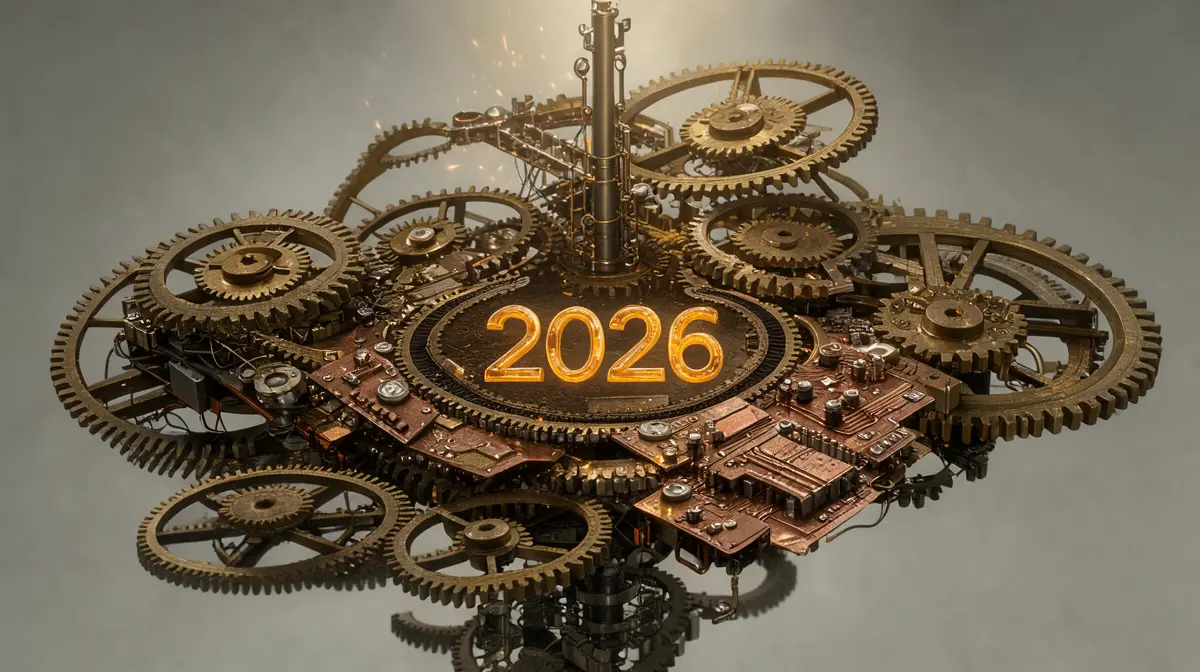
What happened
IBM Research has identified 2026 as a pivotal year for technological advantage, according to the source material. The focus is on how to maintain and build upon the advantages gained during this year.
The article outlines the trajectory of innovation and strategic priorities for the coming years. It also emphasizes the need for sustained investment in research and development.
Why it matters
The source material underscores the importance of staying ahead in the rapidly evolving technological landscape. IBM Research is examining the future implications of the advancements made in 2026, which is being positioned as a turning point in the industry's progress.
Key details
The year 2026 is central to the discussion, with multiple claims highlighting its significance. IBM Research is preparing for the challenges and opportunities that will arise after 2026.
The article explores the next steps following the achievements of 2026. It also highlights the significance of 2026 as a year of strategic advantage.
Sources
Related stories

Anthropic Prepares for Public Offering
Anthropic is launching a roadshow to promote its planned initial public offering.

Microsoft Research Manager Reflects on Cybersecurity and Innovation
Mike Walker discusses his career in cybersecurity and how hacking culture shaped his approach to system security.

Cohere to Invest C$4 Billion in Canadian AI
Cohere plans to invest C$4 billion in AI within Canada, creating over 1,500 jobs.

Anthropic Shapes AI Development Trajectory
Anthropic's research influences how the AI industry anticipates future advancements.

IBM Launches 'SumSum' Math Challenge for November 2026
IBM Research introduced a new math challenge called 'SumSum' as part of its Ponder This initiative in November 2026.

NVIDIA Marks 20 Years of CUDA at SC26
NVIDIA is celebrating the 20th anniversary of CUDA at SC26, highlighting its influence on AI and scientific computing.