Kubrick's Enduring Influence on Filmmaking
Stanley Kubrick's diverse filmography and intellectual curiosity have left a lasting impact on the film industry.

- Stanley Kubrick's filmography is characterized by a versatility in genre, with notable works spanning science fiction, war, and drama.
- According to No Film School, this diversity is reflected in films like 2001: A Space Odyssey, A Clockwork Orange, and Barry Lyndon.
- Kubrick's 2001: A Space Odyssey is a science fiction masterpiece, while A Clockwork Orange is a dystopian drama, and Barry Lyndon is a period piece, reflecting his versatility in genre, according to No Film School.
Stanley Kubrick's filmography is characterized by a versatility in genre, with notable works spanning science fiction, war, and drama. According to No Film School, this diversity is reflected in films like 2001: A Space Odyssey, A Clockwork Orange, and Barry Lyndon. These works showcase Kubrick's ability to explore complex themes and ideas, often challenging audience expectations with genre-bending storytelling, as seen in Full Metal Jacket, a war drama that showcases Kubrick's ability to challenge audience expectations with genre-bending storytelling. His intellectual curiosity and genius-level mathematical intelligence are reflected in his films, which often explore complex themes and ideas, as stated by No Film School.
This curiosity is also reflected in the trust and respect Kubrick earned from his peers, as seen in the admiration he receives from other filmmakers, such as Steven Spielberg, who has publicly acknowledged Kubrick's influence on his work and career. Kubrick's intellectual curiosity and genius-level mathematical intelligence are reflected in his films, which often explore complex themes and ideas, as stated by No Film School. Kubrick's 2001: A Space Odyssey is a science fiction masterpiece, while A Clockwork Orange is a dystopian drama, and Barry Lyndon is a period piece, reflecting his versatility in genre, according to No Film School.
This diversity is also reflected in Full Metal Jacket, a war drama that showcases Kubrick's ability to challenge audience expectations with genre-bending storytelling. Steven Spielberg has credited Kubrick with pushing him to be a better storyteller and challenging his creative decisions. This trust and respect Kubrick earned from his peers is reflected in the admiration he receives from other filmmakers, such as Spielberg, who has publicly acknowledged Kubrick's influence on his work and career. Kubrick's films are often characterized by their dark and thought-provoking nature, which can be both challenging and invigorating for audiences.
This intellectual curiosity and genius-level mathematical intelligence are reflected in his films, which often explore complex themes and ideas. The trust and respect Kubrick earned from his peers is reflected in the admiration he receives from other filmmakers. Kubrick's intellectual curiosity and genius-level mathematical intelligence are reflected in his films, which often explore complex themes and ideas. This diversity is also reflected in Full Metal Jacket, a war drama that showcases Kubrick's ability to challenge audience expectations with genre-bending storytelling. This trust and respect Kubrick earned from his peers is reflected in the admiration he receives from other filmmakers, such as Spielberg, who has publicly acknowledged Kubrick's influence on his work and career.
This intellectual curiosity and genius-level mathematical intelligence are reflected in his films, which often explore complex themes and ideas. Kubrick's films are often characterized by their dark and thought-provoking nature, which can be both challenging and invigorating for audiences. The trust and respect Kubrick earned from his peers is reflected in the admiration he receives from other filmmakers. Kubrick's intellectual curiosity and genius-level mathematical intelligence are reflected in his films, which often explore complex themes and ideas. Kubrick's films are often characterized by their dark and thought-provoking nature, which can be both challenging and invigorating for audiences.
Sources
Related stories

Creative AI Challenges for Filmmakers
No Film School's creative filmmaking challenges help filmmakers develop new skills and approaches.

Aaron Sorkin's Writing Process: Insights and Challenges
Acclaimed screenwriter Aaron Sorkin shares his approach to writing, highlighting both the benefits and drawbacks of his creative process.
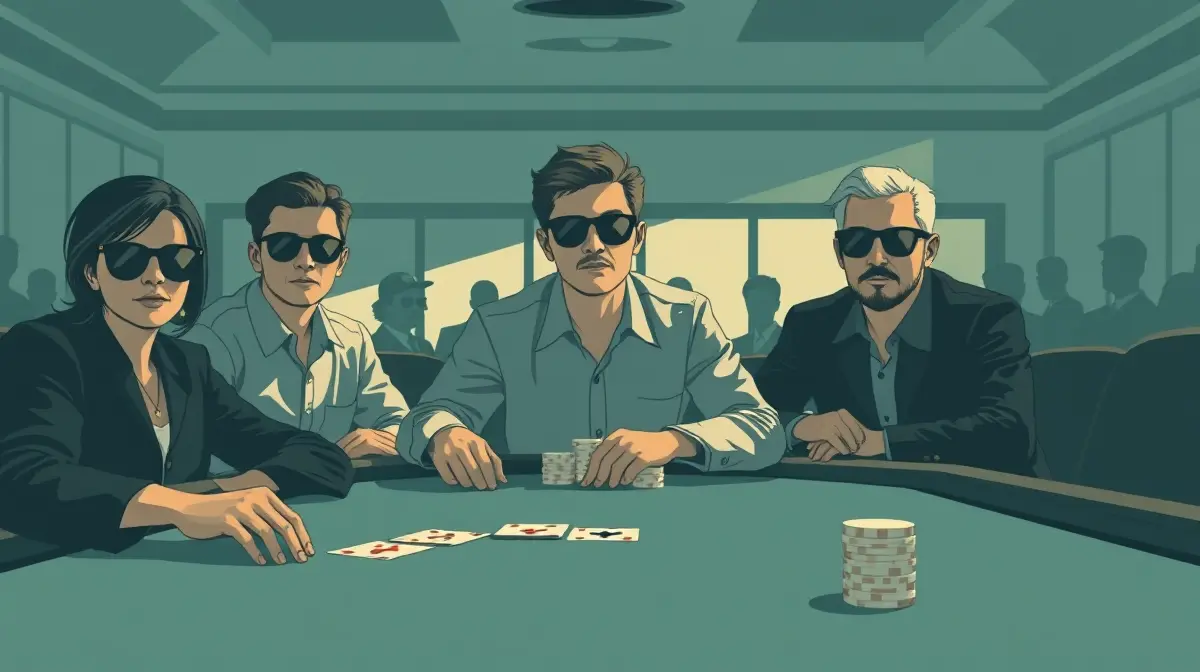
Matt Damon's Poker Movie Rounders Explores Human Behavior
Rounders, a film starring Matt Damon, explores the psychological aspects of poker and human behavior.
Slasher Movie Prompts Unveiled
No Film School provides 100 prompts to help writers create new slasher film ideas.

William Friedkin's Fear of Failure Motivated His Creative Process
The acclaimed director, known for films like The Exorcist, found that his fear of failure drove him to overcome anxieties and push himself creatively.

Aaron Sorkin's AI Concerns: Truth Over Fact in Storytelling
The acclaimed screenwriter prioritizes storytelling truth over literal fact, warning against the limitations of generative AI in cinema.

William Friedkin's Fearless Filmmaking Approach
The renowned director shares insights on his creative process and the importance of compromise in filmmaking.
Exploring Alien Life in Carl Sagan's Contact
Carl Sagan's novel Contact, adapted into a film by Robert Zemeckis, explores the possibility of human connection with alien life.