US arrests tech CEO accused of smuggling $300M in Nvidia chips into China
The US has arrested another suspect accused of smuggling high-end computer servers containing export-controlled Nvidia chips into China.
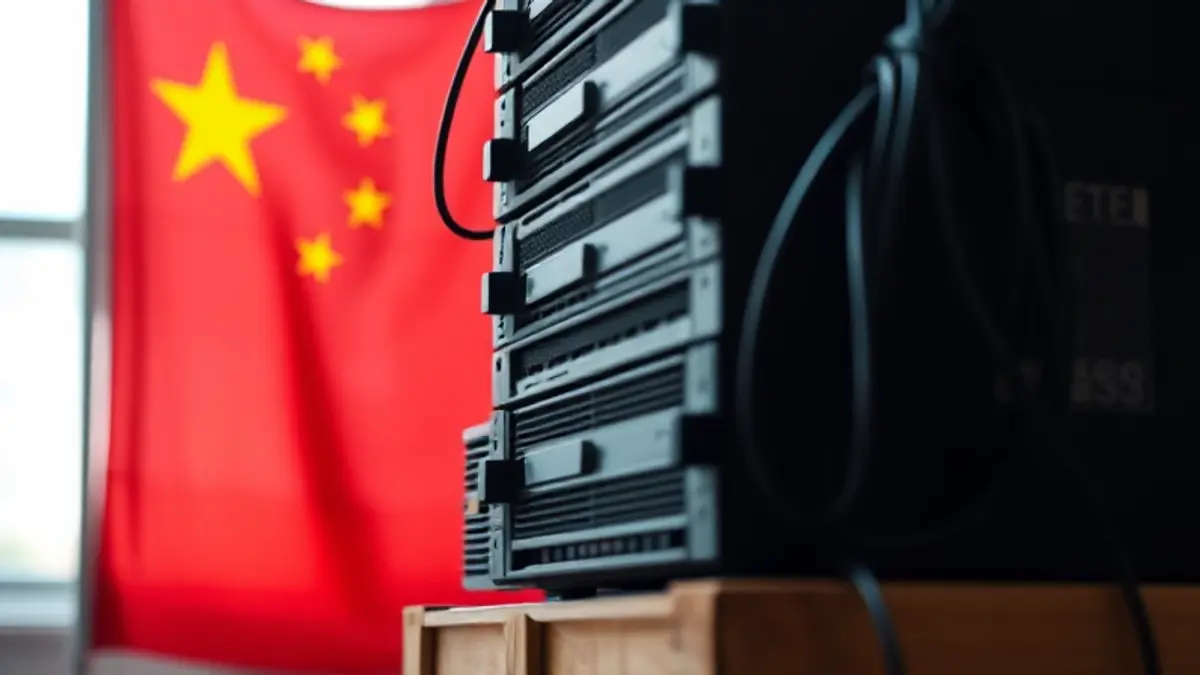
The US has arrested another suspect accused of smuggling high-end computer servers containing export-controlled Nvidia chips into China. In a press release on Thursday, the Department of Justice accused 38-year-old Greg Lui of using false paperwork to mask shipments of servers worth more than $300 million that he allegedly knew were ultimately destined for China. As the CEO of Earthmade Computer, Lui allegedly conspired with freight-forwarding firms in South Asian countries like Malaysia and Singapore to illegally divert chip shipments into China, including Nvidia’s A100 GPUs and H100 GPUs, the FBI’s indictment alleged. These are not Nvidia’s most advanced chips. However, the chips can process large amounts of data and train large language models, which the US fears could pose national security risks if China suddenly gets access to enough chips to drastically advance its AI or strengthen its military.Read full article Comments
Sources
Related stories

Hot Chips 2026: SN50 RDU Dataflow at Scale
Hot Chips 2026: SN50 RDU Dataflow at Scale Raghu Prabhakar, Chief Architect, SambaNova At Hot Chips 2026, the industry converged on a new bottleneck: AI is moving from one-shot answers to agents that reason, call tools, and keep working. That means far more generated tokens, and far more time spent in decode.
MTIA 300: Meta’s First Training Chip with Built-in NICs and Communication-Offloading Engines
MTIA 300 is the first of Meta’s family of in-house training and inference accelerators optimized for training ranking and recommendation models.

OpenAI Introduces Visual Ads for ChatGPT
OpenAI is launching a new ad format for ChatGPT, featuring images of sponsored products and services.

Unlocking Data Portability: Preventing Catalog Lock-in with REGISTER and UNREGISTER APIs
REGISTER and UNREGISTER provide a standard method to safely transfer a table's catalog management without copying data. Open table formats are now easily transferable between catalogs when stored in customer-owned buckets.