Zapier Speeds Up Demo Creation With Vercel
Zapier reduced demo development time from weeks to under two hours using Vercel.
What happened
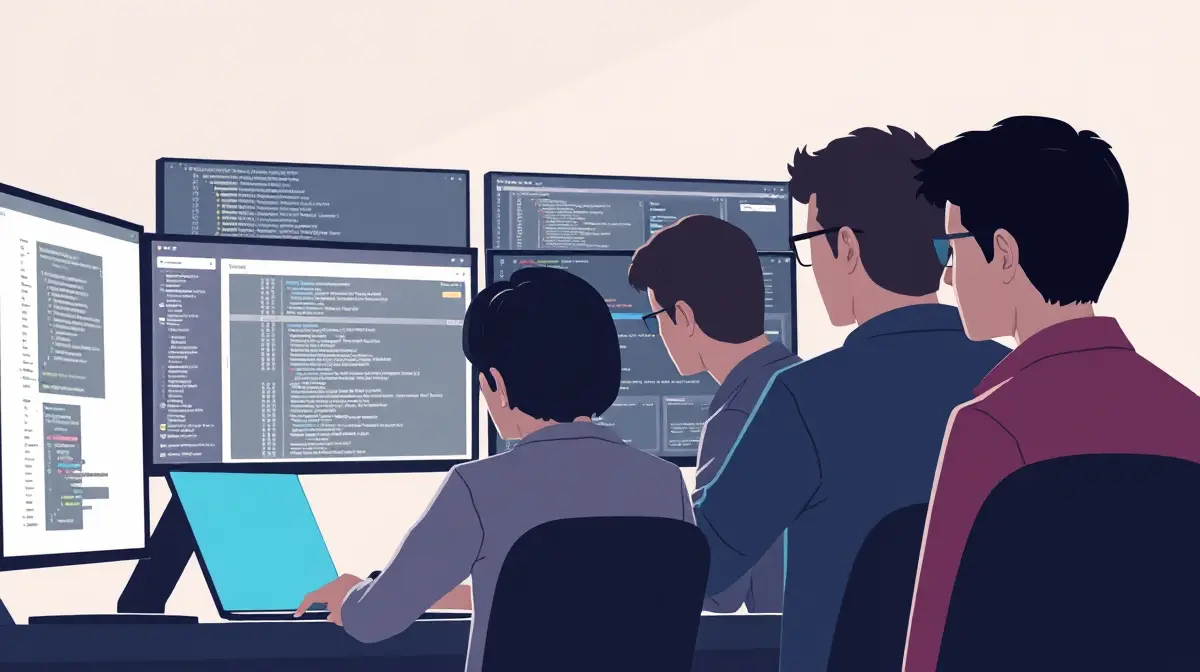
Zapier leveraged Vercel to streamline the creation of interactive partner demos, cutting development time from weeks to under two hours. This enabled the company to quickly showcase its capabilities to potential clients.
The platform also supported the rapid deployment of internal applications, with three such tools completed in about one day. These tools helped improve internal workflows and collaboration across departments.
Why it matters
The efficiency gained through Vercel allowed Zapier to respond faster to market demands and customer needs. By reducing the time required for demo creation and internal tool development, the company can focus more on innovation and less on infrastructure.
Key details
Zapier created over 3.3 million sandboxes in a single month, facilitating isolated code execution for AI workloads. This scalability supports the company's growing AI initiatives.
More than 60 marketers received daily briefings via a shared tool, consolidating information that previously required individual efforts. This improved communication and alignment within the marketing team.
Sources
Related stories

Vercel Adds Build Cache Size Tracking
Vercel now shows build cache size and usage in deployment summaries.
Vercel Agent Requires User Approval for Production Changes
Vercel Agent needs user approval to modify production systems safely.
Perplexity Enables Local Model Execution on Macs
Perplexity now allows users to run pplx-decider-flash-v1.2 locally on Macs without an API key.
Mercor Optimizes Internal AI Workloads Using Vercel Tools
Mercor cut batch job processing time from 12 hours to 2 hours using Vercel AI Gateway.
Vercel Flags SDK Improves Cold Start Performance
Vercel Flags SDK now initializes 7x faster during cold starts and reduces flag-read latency to under 1 ms.
Vercel Launches Geist Serif for Enhanced Design Flexibility
Vercel introduces Geist Serif, a new serif typeface designed to complement its existing Geist family.