Anthropic Explores AI-Driven Code Security Enhancements
Anthropic's research highlights using Claude to improve code security by reducing attack surfaces.
What happened
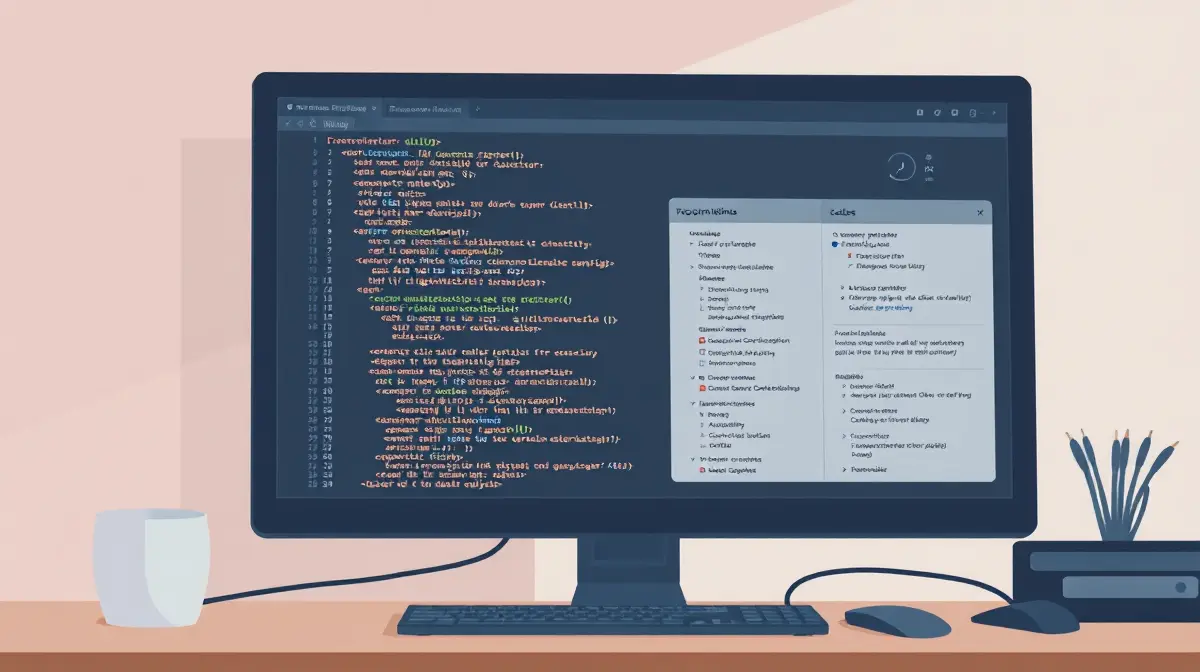
Anthropic has developed a method that uses Claude to analyze code for potential vulnerabilities, aiming to reduce the attack surface of software systems.
The approach leverages Claude's ability to understand and analyze code structure, enabling the identification and mitigation of security risks during the development process.
Why it matters
This method represents a new application of large language models in cybersecurity, offering developers a tool to enhance the security of their software systems.
Key details
Anthropic's research focuses on integrating AI models like Claude into cybersecurity practices, suggesting that such integration can lead to more secure software development practices.
The technique is part of broader efforts to apply AI in improving code security, with the goal of reducing vulnerabilities and enhancing overall system protection.
Sources
Related stories

Anthropic's AI Model Aids in Designing Protein Binders for Scorpion
Anthropic's Claude model contributed to creating protein binders that neutralize scorpion neurotoxins.
Anthropic Research Focuses on Localizing Bad AI Behavior
Anthropic is investigating ways to reduce reward hacking by isolating harmful actions instead of applying broad penalties.

Anthropic Advances Quantum Circuit Design with Claude
Anthropic has developed a method to design more efficient quantum circuits using its model Claude.

Sakana AI Introduces AI-Driven Scientific Collaboration Tool
Sakana AI has unveiled a system designed to enable scientific co-discovery through coding agents.
Anthropic News Reports on Claude's Role in Quantum Circuit Design
Anthropic's research highlights Claude's potential in optimizing quantum circuits, published on October 16, 2026.

Together AI Introduces Flexible Post-Training Model Shaping
Together AI has unveiled a new method for adapting models to user-specific needs through post-training shaping.