
Models & Research
Ollama Releases Inkling 2 Mini Model
Ollama introduces the Inkling 2 Mini, a 26B parameter model with 5.4B active parameters.
Ollama introduces the Inkling 2 Mini, a 26B parameter model with 5.4B active parameters.

MiniMax has unveiled an internal model designed for practical cryptanalysis, advancing its research in cryptography.

The Allen Institute for Artificial Intelligence has launched Theorizer, a new model aimed at advancing AI research.

Meta's new approach cuts model engineering time by 92% and boosts quality across thousands of models.

Meta's AI agents now manage over 60% of technique propagation in its ads ranking systems.

Anthropic's Claude Fable 5.2 model addresses two unresolved issues in black hole physics through published findings.

Pika shared a research preview titled 'Pika Enact' through its official blog, part of a series of ongoing research releases.

NVIDIA unveiled new AI agent tools and the Rubin HPC GPU at SC26, enhancing research capabilities and computational efficiency.

IBM Research is creating compact, cost-effective radar systems with reduced size, weight, and power consumption.

Together AI is transitioning from megakernels to a new compiler technology.

NVIDIA has added new tools to its CUDA-X libraries to speed up scientific research across multiple domains.

Microsoft Research's TokenEconomizer plugin cuts costs by up to 30.9% across coding tasks without altering AI models.

NVIDIA's Vera Rubin platform achieved top results in MLPerf Training v6.1 benchmarks, outperforming previous systems.

Vercel outlines methods to assess agent performance in completing user tasks accurately.

Microsoft Research highlights progress in AI-powered translation and resolves a long-standing mathematical challenge.

xAI has published documentation for its Grok Bot language model on its website.

Hugging Face Diffusers 0.43.0 introduces models for text-to-image generation, video creation, and speech-driven animation.

Anthropic's research highlights coordination issues in multi-user, multi-agent AI teams.

The EUROPA consortium trained a 1-trillion-parameter MoE model using PyTorch and TorchTitan on the JUPITER supercomputer.

IBM Research shares updates on advancements in its quantum computing project, the Quantum Starling.

A transparent glass head was created using Blender and a 360° video.

Higgsfield AI used 10 Fable 5.2 agents to generate a detailed cinematic city in Blender.

NVIDIA and partners reveal progress in robot manipulation through simulation at CoRL.

ComfyUI v0.45.0 improves token generation speed for Qwen3.x models without changing output quality.

Nous Research has introduced a new platform aimed at competing with existing AI gateway services.

Decision models now handle 26% of AI Gateway requests, with notable cost and performance advantages.

Meta has released TLX, an extension to Triton, to improve GPU performance for machine learning workloads.

NVIDIA expands AI agent safety and opens Korean model APIs for research.
Higgsfield AI released details on its new model, Higgsfield Originals, emphasizing original content creation.

Hermes Agent is being benchmarked against models like OpenClaw and Claude Code.

NVIDIA is supporting South Korea's physical AI development through industry partnerships and advanced computing tools.

A new AI model named 彳亍 Side by side is under discussion within the Higgsfield AI ecosystem.

NVIDIA highlights new tools enabling developers to build and refine AI-driven simulations for robotics and industrial workflows.

Cerebras' wafer-scale processor is built to endure due to its physical construction.

Nous Research has released Arete-27B, a post-trained version of Qwen3.8-27B focused on Western values.

Microsoft Research introduces PDD Kit, a tool that helps developers verify AI-generated code against formal specifications.
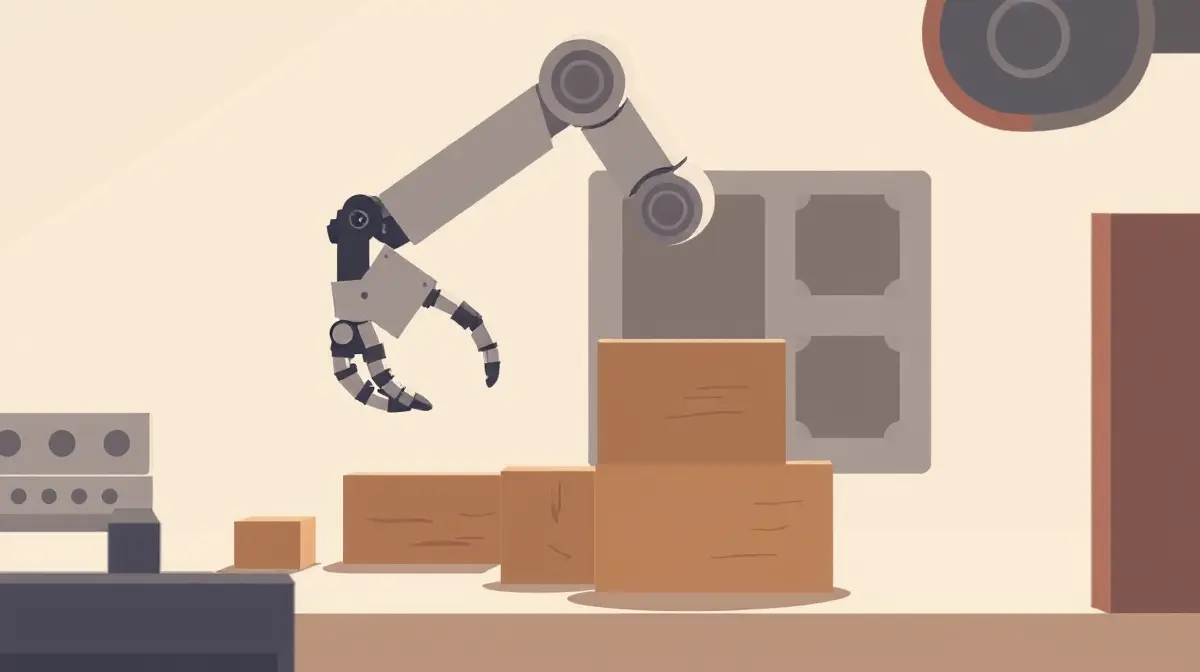
The Allen Institute for AI has introduced ToyBlocks, a controlled environment for robot learning and evaluation.

Anthropic's Claude AI is being used by researchers to assist with data analysis and hypothesis generation.

LlamaIndex compared LlamaParse with GPT, Claude, and Gemini for PDF parsing in 2026.
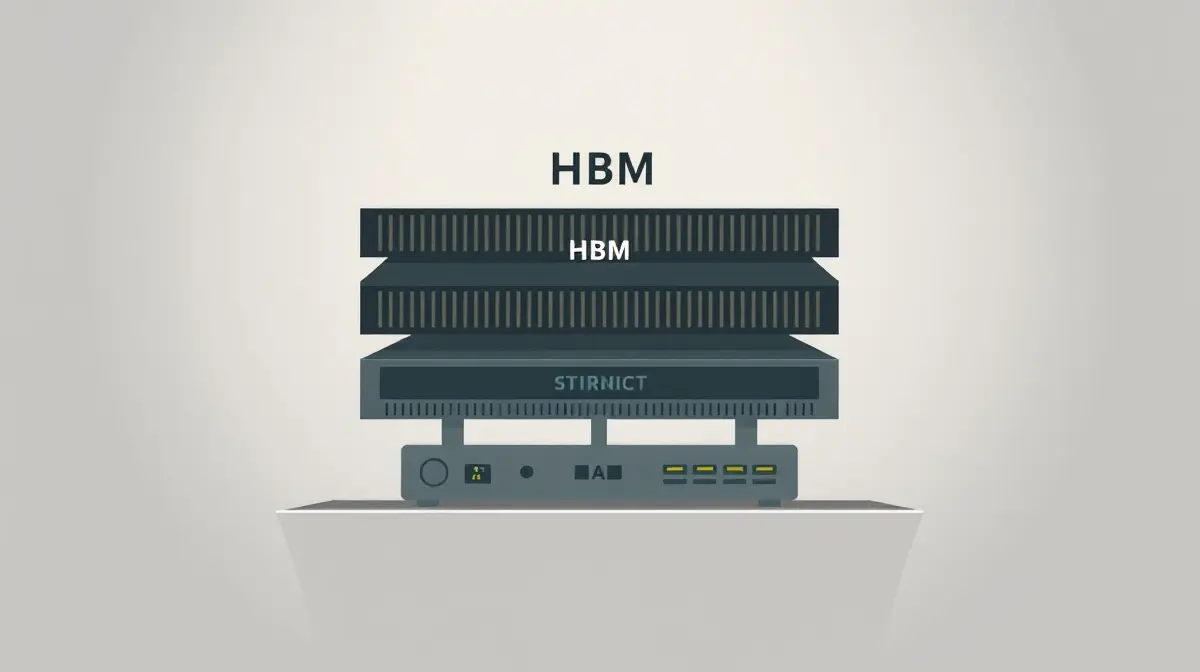
NVIDIA introduces full-stack codesign to tackle memory challenges in AI, improving efficiency across hardware and software.

IBM Research has launched a co-design platform for quantum error correction with ORNL and AMD.

Researchers are using Claude AI for scientific discovery, according to Anthropic News.

Ollama now supports Xiaomi MiMo's mimo-v2.6 and AutoTrust decision models in its latest release.

A 2026 study explores the use of prokaryotic proteins to create engineerable nanocapsules.

Together AI has released a new compiler aimed at improving AI inference efficiency through continual compilation.

Together AI has developed a new method to improve inference efficiency in open models.

Krea 3, a new image-to-image model, emphasizes speed and cost-efficiency in its design.

NVIDIA and partners are deploying physical and agentic AI to enhance urban services and infrastructure planning.

Meta's new framework accelerates ad targeting features to production without increasing compute costs.
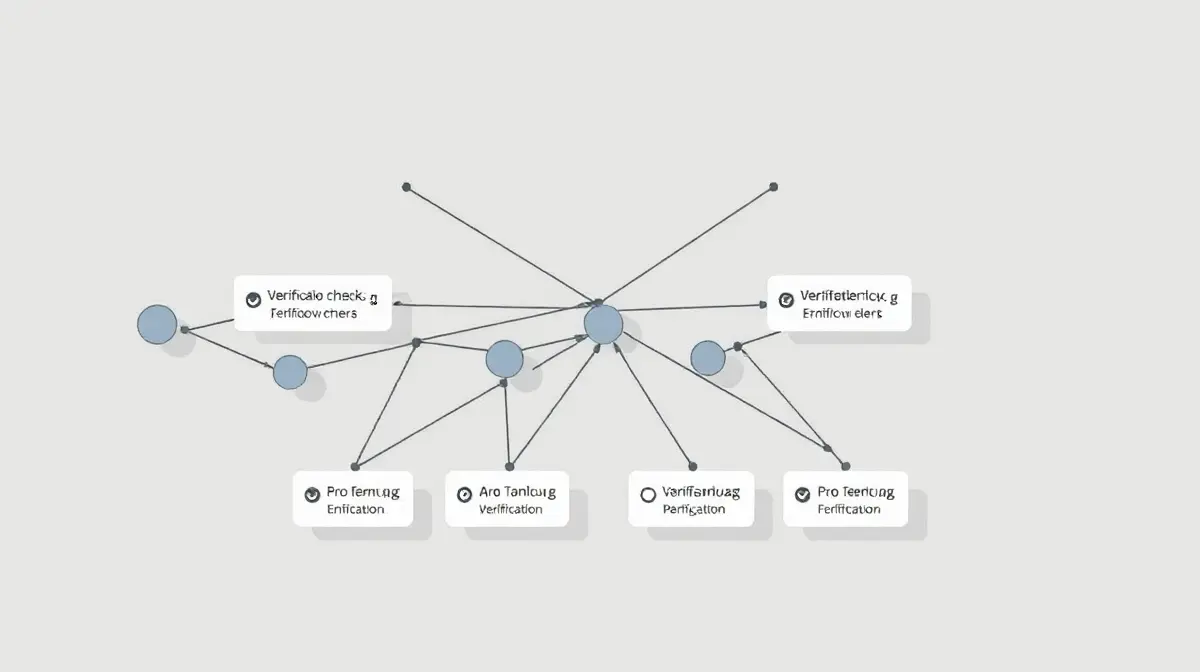
Anthropic has made progress in developing provable inference methods for large language models.

The Grok Bot's usage meter shows real-time fluctuations between 77% and 100% on the Cursor platform.

NVIDIA's agentic AI tools are aiding SETI researchers in analyzing cosmic data more efficiently.

Meta has integrated an AI-powered testing framework into its production environment to catch software errors before deployment.

Microsoft Research has created a synthetic data platform to test Copilot at enterprise scale without using real customer data.
Anthropic is researching automated methods to detect subtle misalignment in AI models.

Pika released the H3 Flex model through a dedicated blog post, emphasizing its adaptability and performance improvements.

IBM Research notes Zurich's historical and ongoing contributions to algorithmic research over 70 years.

Mistral AI has released the Mistral Large 4 model, now available in open weight form.

The Allen Institute for AI is studying whether large language models can reliably assess the novelty of scientific ideas.

Meta's Andromeda system now scores ads at near ranking-level performance, handling over one billion ads per second.