Blender Used to Create Transparent Glass Head
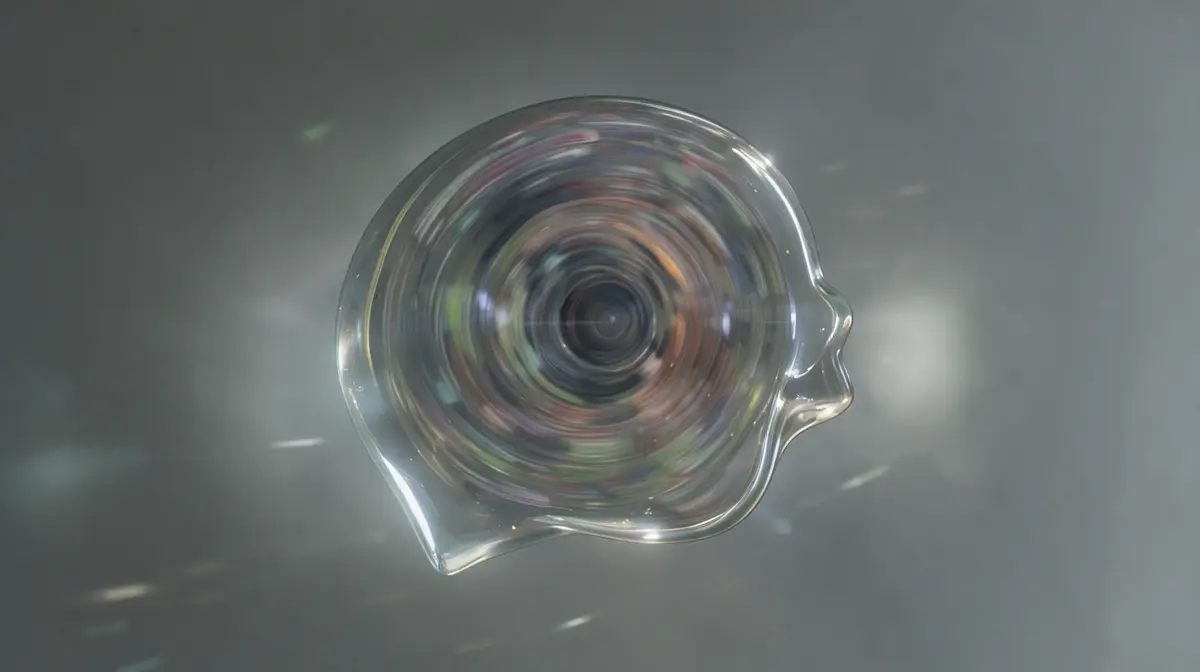
A transparent glass head was created using Blender and a 360° video.
What happened
A transparent glass head was produced using the Fable 5.2 software within Blender. The project was based on a single 360° video, which served as the foundation for the creation.
Blender was the main tool used throughout the process. The result is a digital model that resembles a glass head, offering a clear visual representation.
Why it matters
This development highlights the versatility of Blender in creating complex 3D models. The use of a 360° video as a base suggests a new method for generating detailed digital objects.
Key details
The creation process involved Fable 5.2, a version of the software used for 3D modeling. The 360° video provided the necessary data to form the transparent glass head.
Blender was the primary software for the project, indicating its importance in digital modeling and animation.
Sources
Related stories

LTX-2 v1.5.0 Adds Keyframe Support and Performance Enhancements
LTX-2 v1.5.0 introduces keyframe interpolation and performance optimizations for image and video generation.
Hugging Face Releases New AI Models for Image and Video Tasks
Hugging Face Diffusers 0.43.0 introduces models for text-to-image generation, video creation, and speech-driven animation.

Higgsfield AI Uses AI Agents to Create Cinematic City
Higgsfield AI used 10 Fable 5.2 agents to generate a detailed cinematic city in Blender.

Krea Compares AI Video Models for 30-Second Generations
Krea tested Seedance 2.5 and Wan 3.0 for 30-second AI video creation.

Hugging Face Diffusers 0.42.0 Adds New Models and Hardware Support
Hugging Face Diffusers 0.42.0 introduces new image and video generation models, along with hardware compatibility updates.

Pika Releases Research Preview on New Model
Pika shared a research preview titled 'Pika Enact' through its official blog, part of a series of ongoing research releases.