Meta Expands Cuttlefish Emulator Support to macOS
Meta has extended its Cuttlefish emulator to macOS, unifying platforms for development and testing.
What happened
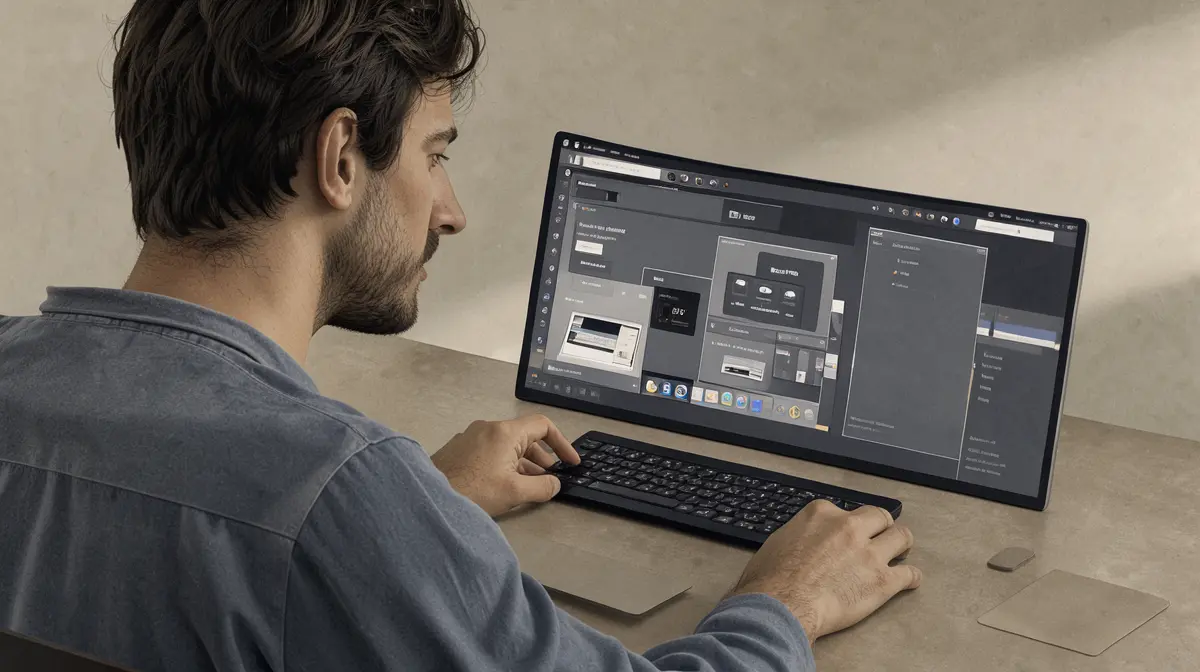
Meta’s Reality Labs has expanded the Cuttlefish emulator to support macOS, eliminating the need for separate emulator platforms. This move aims to simplify development and testing processes for developers who primarily use Apple silicon Macs.
The expansion involved significant technical challenges, including reviving QEMU support and adapting the emulator to work within macOS’s architectural constraints. The Apple hypervisor also imposed resource limits that required adjustments to ensure compatibility.
Why it matters
By unifying the emulator platform, Meta reduces maintenance costs, infrastructure requirements, and improves the accuracy of virtual devices used in development. This shift enhances the reliability of testing for non-phone Android devices, which is crucial for projects like AI glasses.
Key details
Porting Cuttle, the orchestration layer, to macOS required addressing architectural limitations originally designed for Linux. Three key assumptions in the vhost-user machinery that were specific to Linux broke on macOS, including the inability to build or run the vhost-user components.
The transition to macOS also involved developing new workflows for native display, build, and signing paths, as these did not exist on the platform. Additionally, macOS builds required additional entitlements such as JIT support, code signing, and notarization.
Sources
Related stories
NVIDIA Launches RTX Spark Desktops for Local AI Workloads
NVIDIA introduces compact desktops with advanced AI capabilities for local model training and processing.
VLLM Release v0.34.0 Adds New Models and Performance Enhancements
VLLM v0.34.0 introduces 10 new models and performance upgrades for specific hardware.
NVIDIA Expands GeForce NOW Game Library with New Titles and DLSS 5
NVIDIA adds new games and DLSS 5 technology to GeForce NOW, enhancing cloud gaming experiences.
PyTorch 2.15 Enhances Distributed Training and Performance
PyTorch 2.15 introduces a rewritten NCCL backend and other updates for improved distributed computing.
Mistral AI and NVIDIA Partner on Engineering AI Tools
Mistral AI and NVIDIA are collaborating to improve AI applications in engineering fields.
PyTorch Helion Enhances GPU Kernel Optimization
PyTorch Helion now uses autotuning to optimize GPU kernels, reducing the need for manual code tuning.