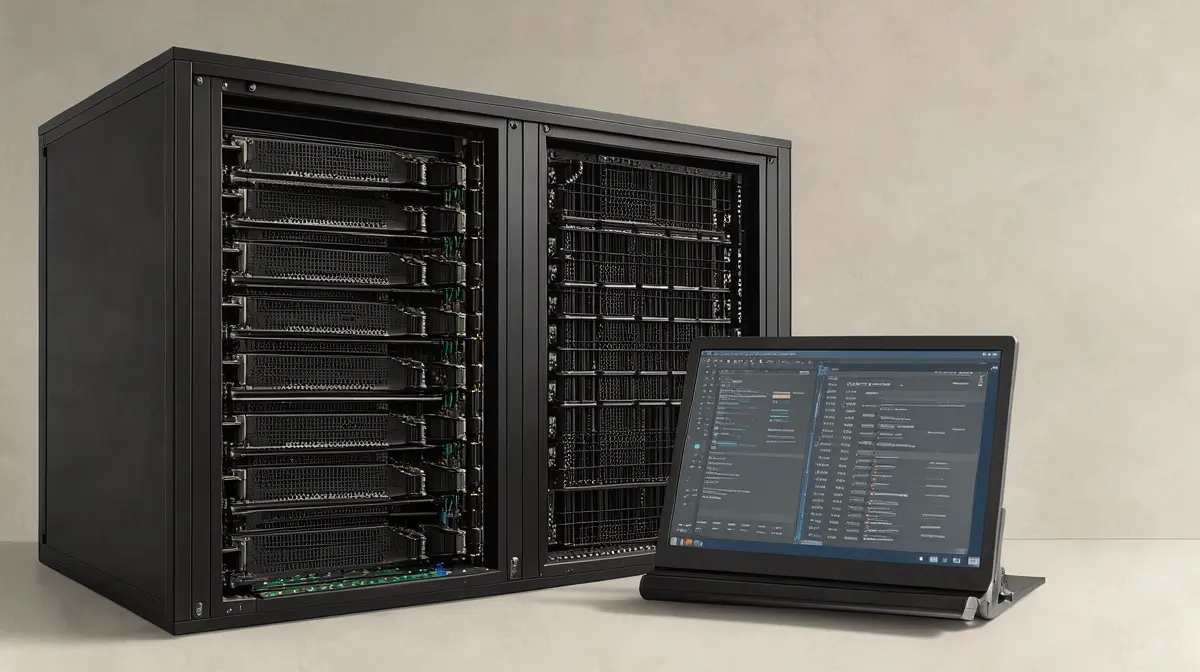
Products & Tools
VLLM Release v0.34.0 Adds New Models and Performance Enhancements
VLLM v0.34.0 introduces 10 new models and performance upgrades for specific hardware.
VLLM v0.34.0 introduces 10 new models and performance upgrades for specific hardware.

PyTorch now allows models to run in web browsers with GPU support via the ExecuTorch WebGPU backend.

NVIDIA and South Korea's Ministry of Science and ICT are enhancing AI infrastructure through joint initiatives.

LTX-2 v1.6.1 introduces new color space standards and pipeline improvements for better HDR and color grading workflows.

Vercel now offers the DeepSeek V4.1 Flash 1017 Ultrafast model via AI Gateway.
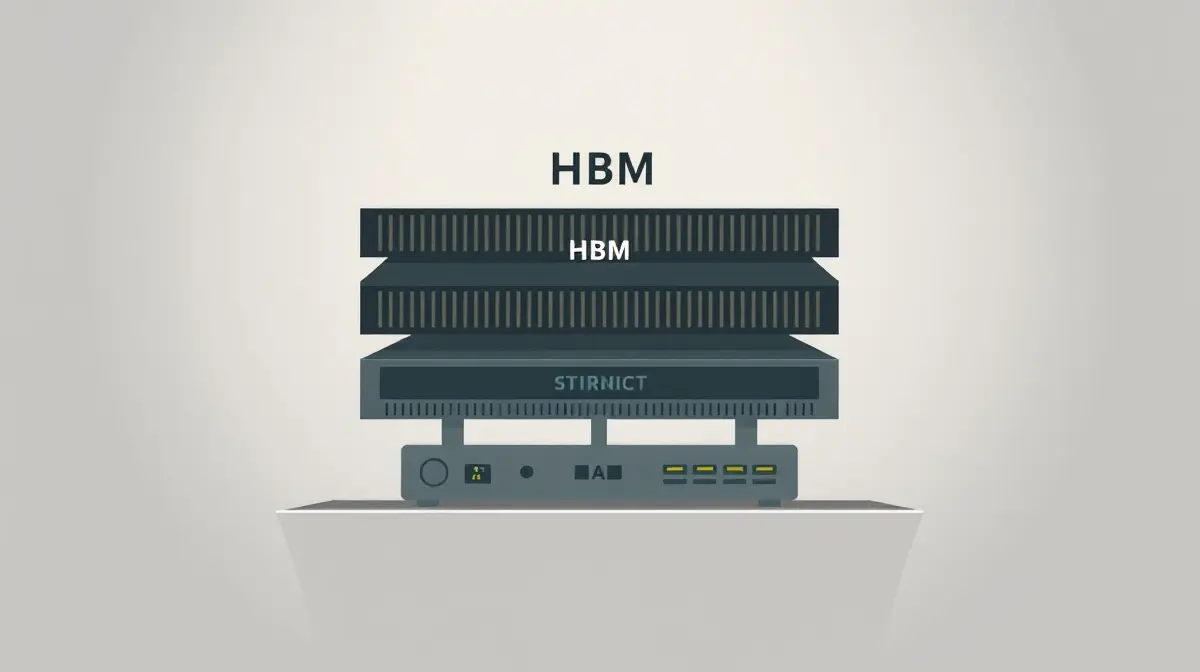
NVIDIA introduces full-stack codesign to tackle memory challenges in AI, improving efficiency across hardware and software.

Vercel now supports multiple ZDR providers for Kimi K3.1 Pro and its high-speed variant on AI Gateway.
Together AI has released a new compiler aimed at improving AI inference efficiency through continual compilation.

Together AI has developed a new method to improve inference efficiency in open models.
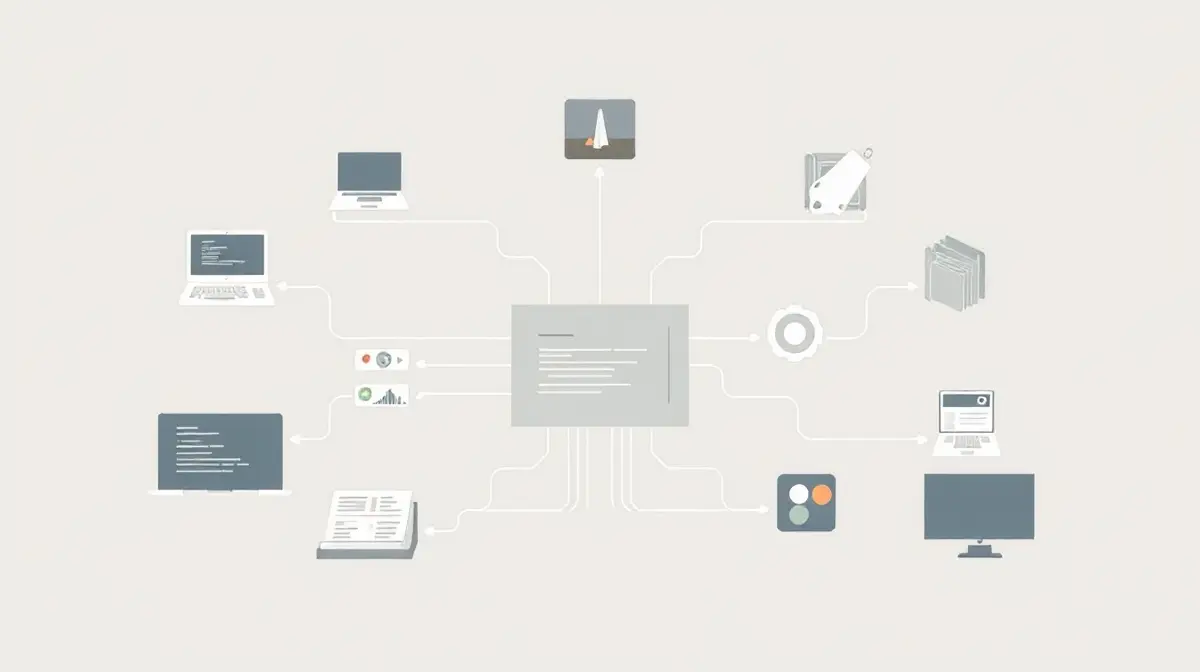
VLLM 0.33.0 introduces new models, upgraded libraries, and changes to CUDA support.

PyTorchKR and XCENA co-hosted a technical event focused on LLM inference and KV Cache optimization in Seoul.

Meta's Andromeda system now scores ads at near ranking-level performance, handling over one billion ads per second.

Cerebras and Oracle have formed a partnership to enhance AI inference technology deployment.
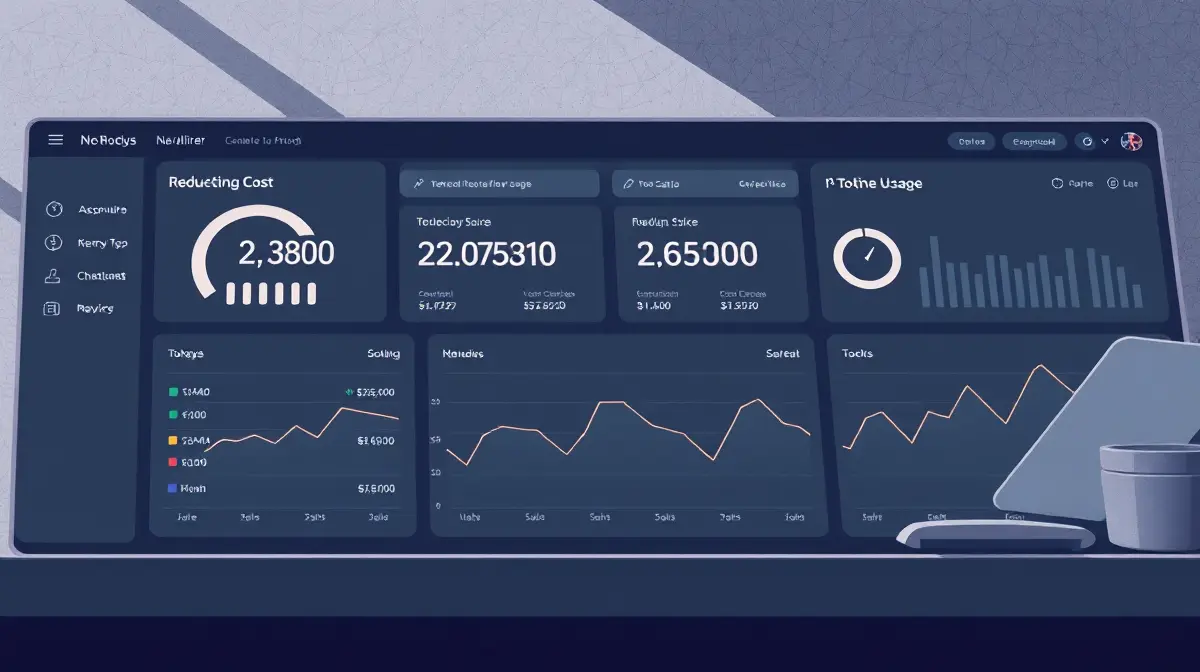
Vercel Agent sessions in the dashboard and Slack now cost 67% less on average.

NVIDIA reports European retailers are using open-source models to cut costs and improve operations.

IBM Research has released llm-d 1.0, a tool aimed at improving open-source AI inference for production use.

Inception's Mercury 3 model is now accessible on AI Gateway with a 50% discount.

PyTorch launches TorchNeuron, a native backend for AWS Trainium, on October 20, 2026.

The vLLM 0.32.0 release includes new endpoints, tools, and GPU support for improved model performance.

Cline's latest SDK update introduces support for OpenAI-compatible GPT-6 models and expands the model catalog.

Artificial intelligence has become vital to nations, governments, and large corporations.

I see it as a point on the LLM pareto optimal curve in a regime that had a large revealed latent demand (no thinking, single token, low latency acceptable intelligence) that was under-invested into because of a race to higher intelligence.
Artificial intelligence Audio & acoustics Computer vision Graphics & multimedia Human-computer interaction Human language technologies Search & information retrieval Data platforms and analytics Hardware & devices Programming languages & software engineering Quantum computing.

A global fintech runs its coding assistant on GLM 5.2 through Together's Dedicated Model Inference, handling spiky, engineering-hours traffic that static capacity planning couldn't keep up with. With DMI, the customer's engineers scale endpoints, roll out models, and test.

SN50 Premium Inference: A Faster ROI for Neoclouds Faster Returns for Neoclouds: SN50 Delivers ROI in 6 Months AI agents are creating a premium inference business for neoclouds. Coding agents read a repository, generate changes, run tests, and return to the model with the results.

Pengcheng Jiang, Student Researcher, and Judith Yue Li, Senior Research Engineer, Google Research Instead of relying on expensive inference-time reasoning, the Retrieve-for-Train framework uses reinforcement learning once to train a lightweight diffusion model. This bypasses the.

Meaning, Benefits & How It Works The word “inference,” in English, means a conclusion drawn through reasoning and evidence. Similarly, AI inference relates to an AI model’s ability to infer, or extrapolate, conclusions in new situations, using information gained from training.

In-region inference, open models, and new European infrastructure for sovereign AI. Mistral is advancing AI sovereignty by offering enterprises and countries control over AI models, infrastructure, and compute capacity, ensuring regional compliance and reliability.

Models are getting larger, more capable, and more expensive to serve, and every new release raises expectations for what an AI experience should feel like. TL;DR Premium inference is fast, responsive serving for large, intelligent models.

Overview of adaptive parallel reasoning. What if a reasoning model could decide for itself when to decompose and parallelize independent subtasks, how many concurrent threads to spawn, and how to coordinate them based on the problem at hand?